Digital Portal of Intangible Heritage in Raqqa City
Digitization today represents one of the most important tools for protecting cultural heritage and ensuring its continuity. It is not limited to converting images, documents, and traditional crafts into digital formats, but rather re-presents them in modern ways that allow current and future generations to access and interact with them.
Through digitization, it is possible to:
Protect heritage from damage and disappearance by preserving it in secure digital formats.
Enable global access to cultural content, thereby enhancing knowledge and raising awareness of the importance of heritage.
Provide an accurate scientific and documentary reference that facilitates academic research and specialized studies.
Strengthen cultural identity by connecting new generations with their past in a contemporary, interactive manner.
Revive traditional crafts by presenting them digitally and encouraging the community to learn and practice them.
Digitization is not merely a technical process, but a bridge linking the past with the present and the future, preserving the memory of peoples and giving it new life in an open digital space.
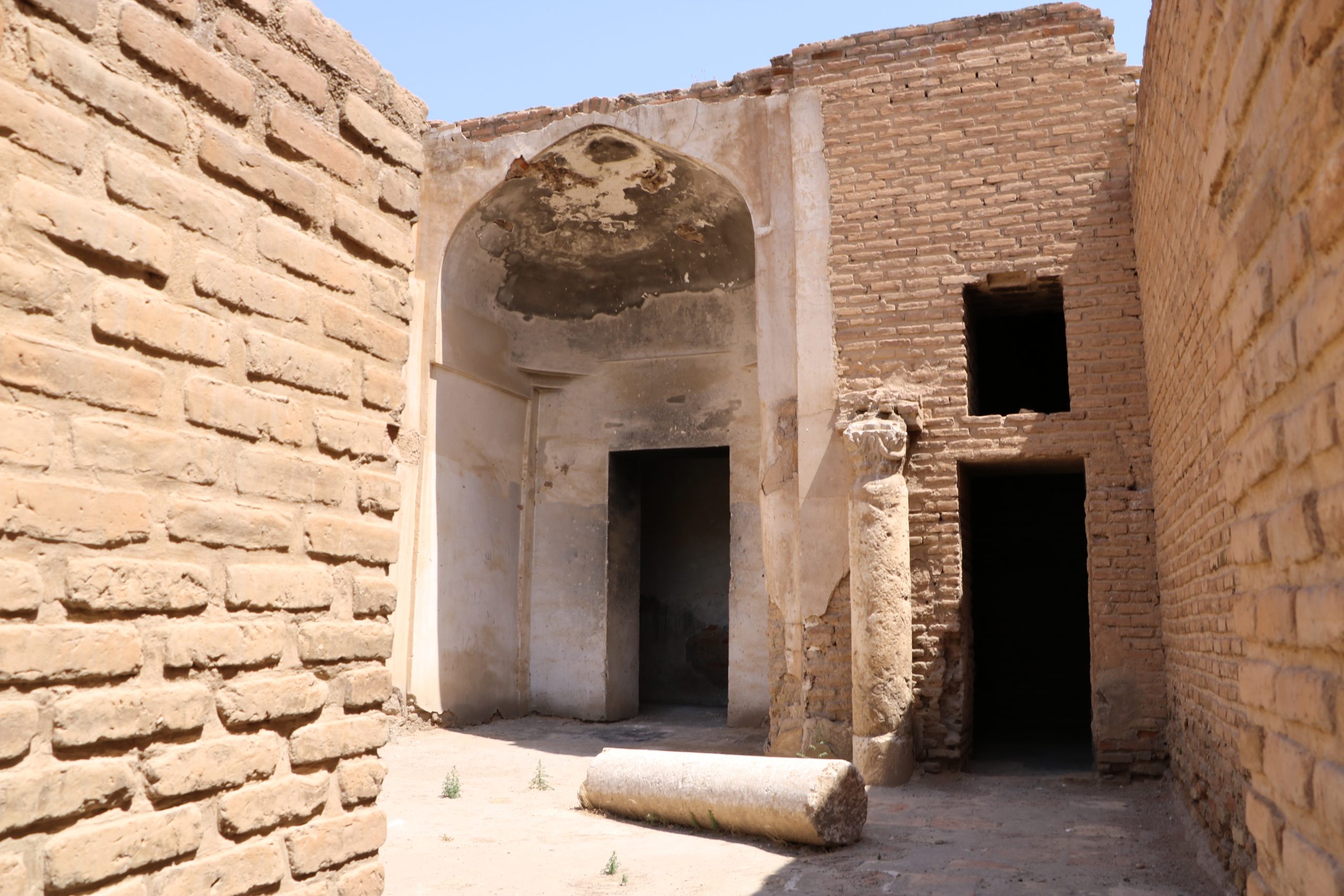
The Intangible Heritage Portal of Raqqa is a digital platform launched by the organization Rafiqatuna, under the Dorou grant funded by the independent organization Ettijahat. Its aim is to document and protect the traditional building materials used in construction and restoration works in the city.
Through photographs, videos, and field research, the portal sheds light on authentic crafts such as fired brick, brown and white plaster, and straw mats, documenting the stories of artisans who preserve this knowledge and pass it on to future generations.
The portal also showcases efforts to train youth in using digital tools for documentation, organizing awareness lectures, and distributing brochures to raise community awareness about the importance of these materials.
The goal is to create an interactive cultural reference through the “Raqqa Digital Museum,” linking the local community and heritage enthusiasts with the city’s history and civilization, and opening the door to interaction and participation in safeguarding this living heritage.
Digital Training Activity:
After the approval of the training material, which includes the principles of digital documentation and how to employ it in documenting intangible heritage in general and traditional building materials in particular, the training sessions on digital documentation were determined, implemented.
Community Research and Digital Documentation Activity for Traditional Building Materials:
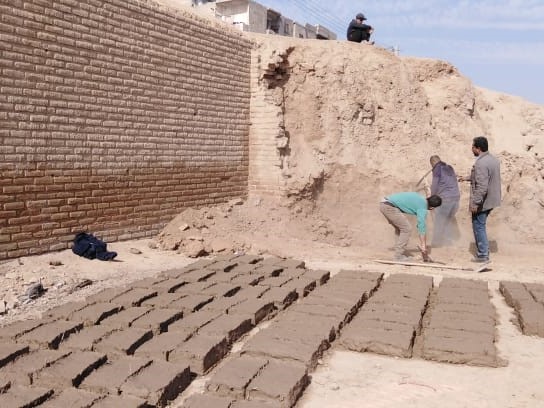
Documentation of the manufacturing works, where first the site of the Hirqala kilns was selected, as the Hirqala site is considered the main center for manufacturing fired bricks at the city level and at the Syrian level.
Activit: Manufacturing of Fired Bricks
Awareness Activity
After determining the items of the awareness activity and dividing them in a way that shows the importance of digital documentation, introducing traditional building materials and their fields of use, as well as targeting the category of craft workers and explaining the importance of learning to manufacture traditional building materials and the material income it provides, in addition to the importance of passing the craft between artisans.